Through storytelling, we discover our shared humanity and the connections between language, land, and learning.
The Rural Voices in Education podcast explores how rural communities nurture multilingualism, sustain linguistic and cultural traditions, and draw upon local knowledges that shape education and learning. Rooted in the linguistic richness and cultural wealth of rural places, this series amplifies the voices, stories, and lived experiences that reveal the powerful connections among language, land, learning, and community. Season 1 (6 episodes) situates bilingual development and highlights the challenges and successes of bilingual education in rural schools.
Rural Voices in Education Podcast Series
Documentary Films
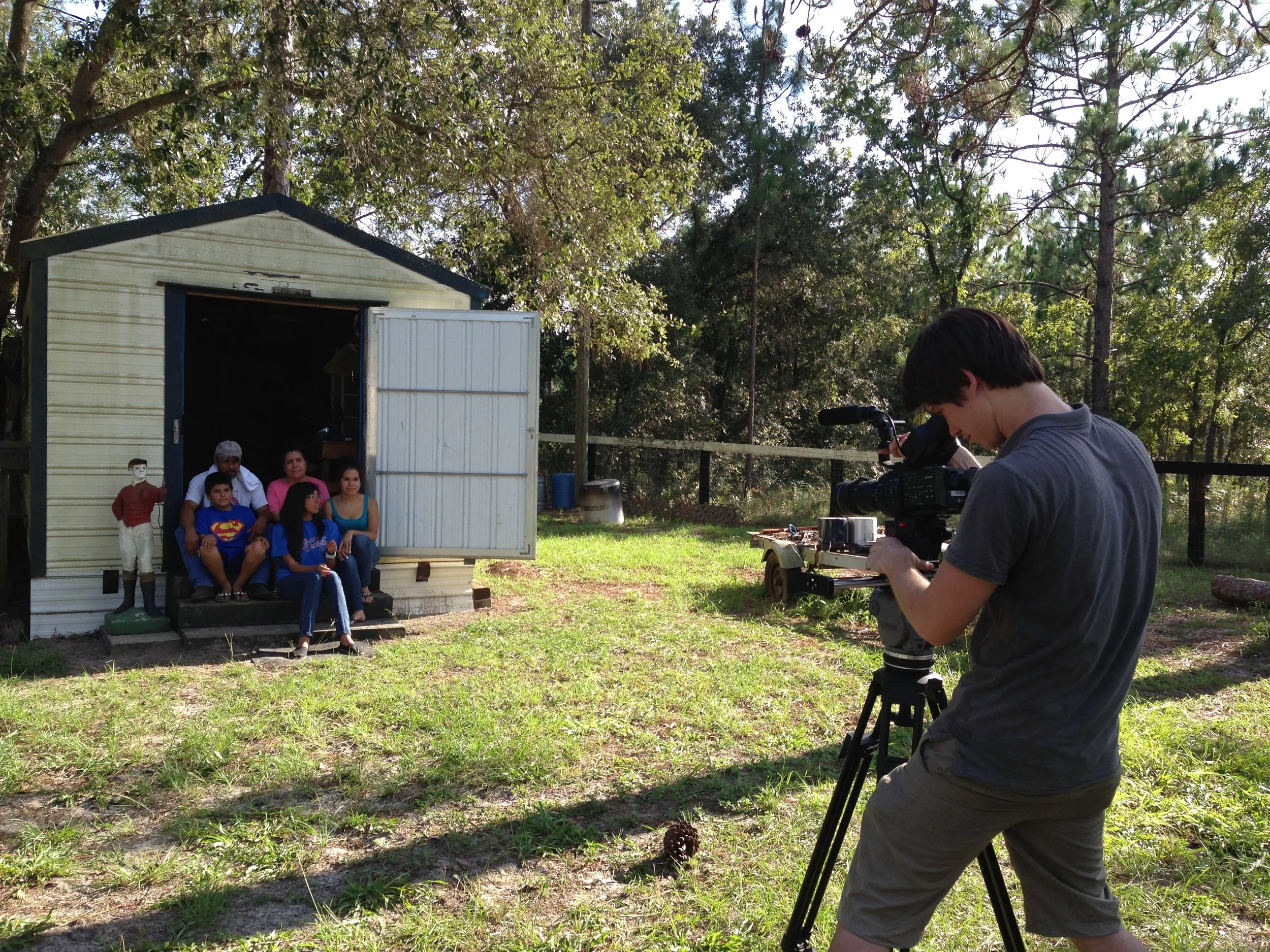
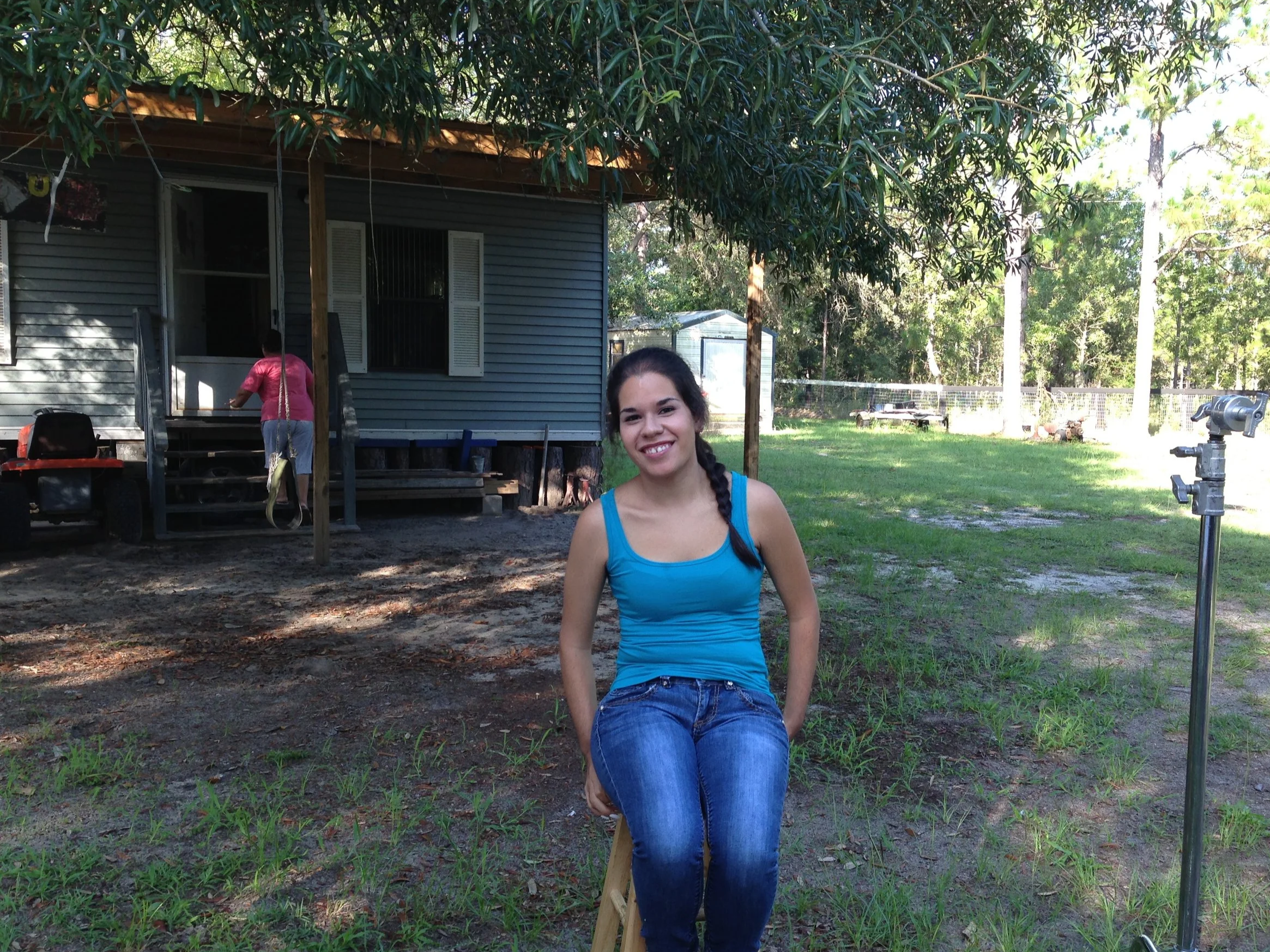
My documentary filmmaking is an extension of more than two decades of scholarship exploring the intersections of language, land, learning, and cultural knowledge in rural and multilingual communities. Grounded in ethnographic inquiry, oral history, and community-engaged research, my films use firsthand narratives, documentary interviews, and visual storytelling to show how people experience, sustain, and pass down language and cultural knowledge across generations. Small Town, Big Dreams, Waiting on DACA, and Long Journey to the American Dream, document the experiences of immigrant families, educators, and communities, connecting personal stories to broader questions of identity, belonging, language rights, and educational equity. My storytelling is both a research methodology and a means of preserving community knowledge.
With funding from the US Office of English Language Acquisition, I launched Project DELTA (2013) and developed a series of four instructional films that bring exemplary teaching practices for English/multilingual language learners into focus. Co-produced in collaboration with Dr. A. Jo, the films feature classroom-based examples of teaching and learning, connecting educational research with the everyday practices of educators working with multilingual learner students.
Each approximately 15-minute film serves as a visual resource for teacher preparation and professional learning. Accompanied by a facilitator's guide, the series invites educators to observe, analyze, and reflect on instructional practices that support multilingual learners.
Instructional Films
Oral Histories & Community Archives
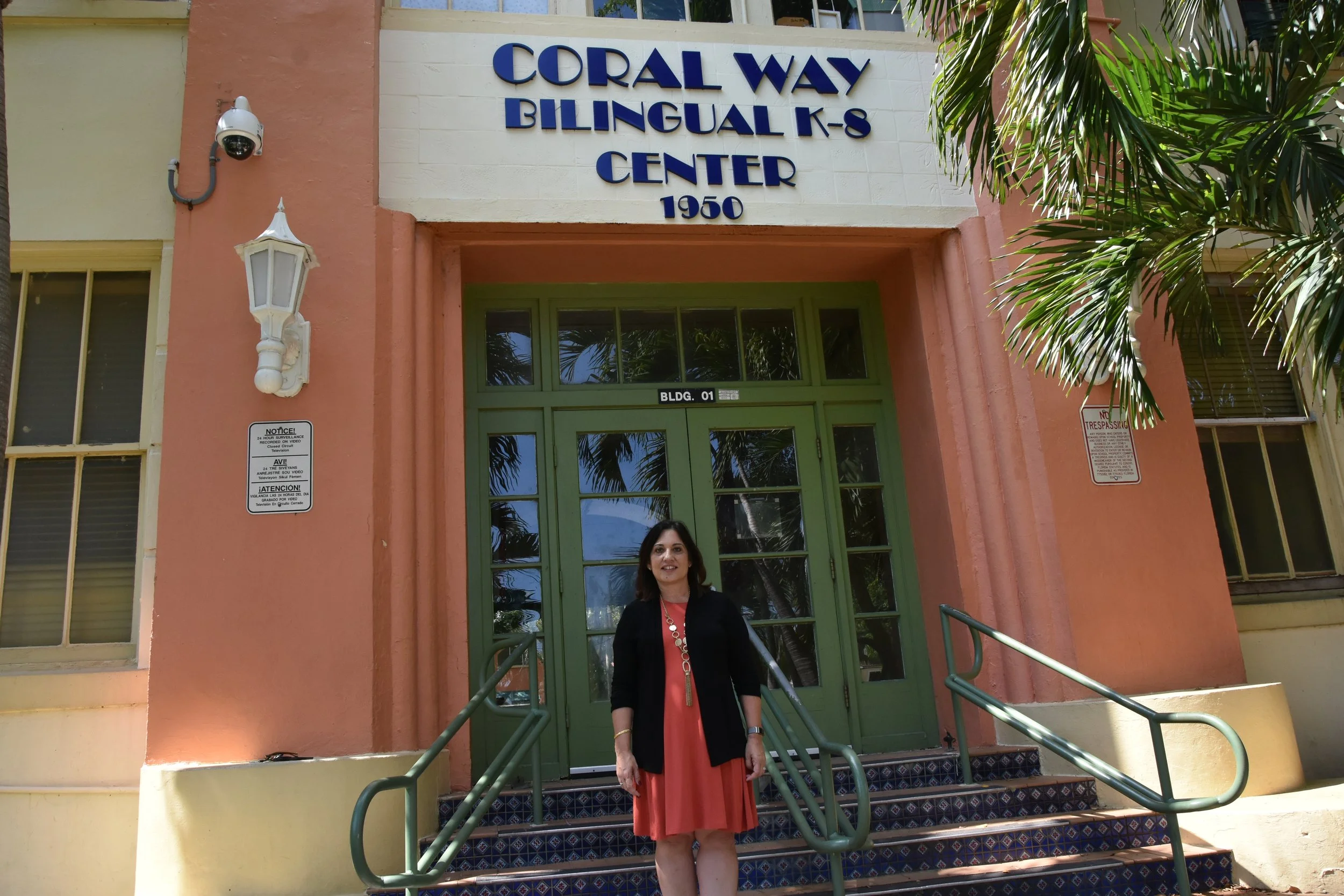
In 2018, I embarked on an oral history and archival project that documents the legacy of the first publicly funded dual language immersion (DLI) bilingual education program in the United States in 1962: The Coral Way Bilingual Program in Miami, Florida. Through oral histories, archival research, and the preservation of historical documents, this special project titled Pioneering Bilingualism captures the voices, experiences, and pioneering efforts of educators, families, and communities who helped shape bilingual education in America. These digitized archives, housed in Digital Collections at the University of Florida, preserve a vital chapter in educational history and illuminate the enduring connections among language, identity, community, and educational opportunity.
The collection contains 263 historical items, including photographs, oral histories, audio recordings, correspondence, and original program documents. It includes materials collected and digitized through my collaboration with Bess de Farber, a student in the first class of Coral Way, and building upon the original work of the late Dr. Richard Ruiz. Today, there are more than 5,000 DLI programs across the U.S.
Fotonovelas & Visual Storytelling
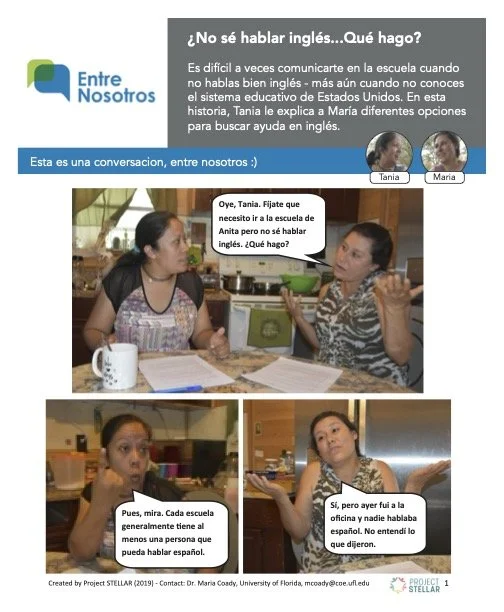
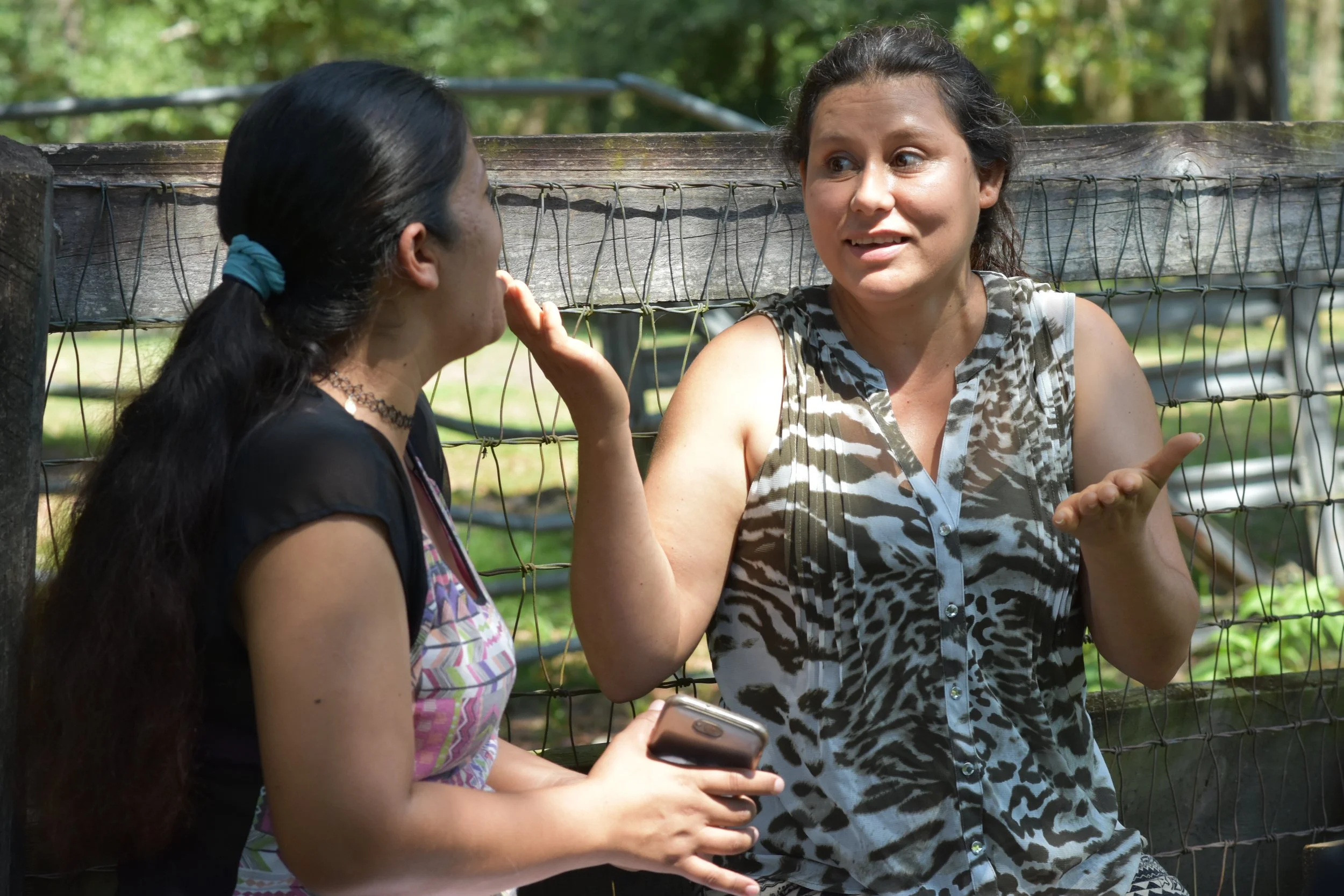
My work with fotonovelas, culturally and linguistically responsive visual narratives that address challenges faced by multilingual families in rural schools, extends my commitment to storytelling beyond the classroom. Developed in collaboration with the Rural Women’s Health Project in Gainesville, Florida, these fotonovelas combine photography and narrative to illuminate the lived experiences, knowledge, and perspectives of multilingual families and rural school communities while offering practical, community-centered solutions to educational challenges.